

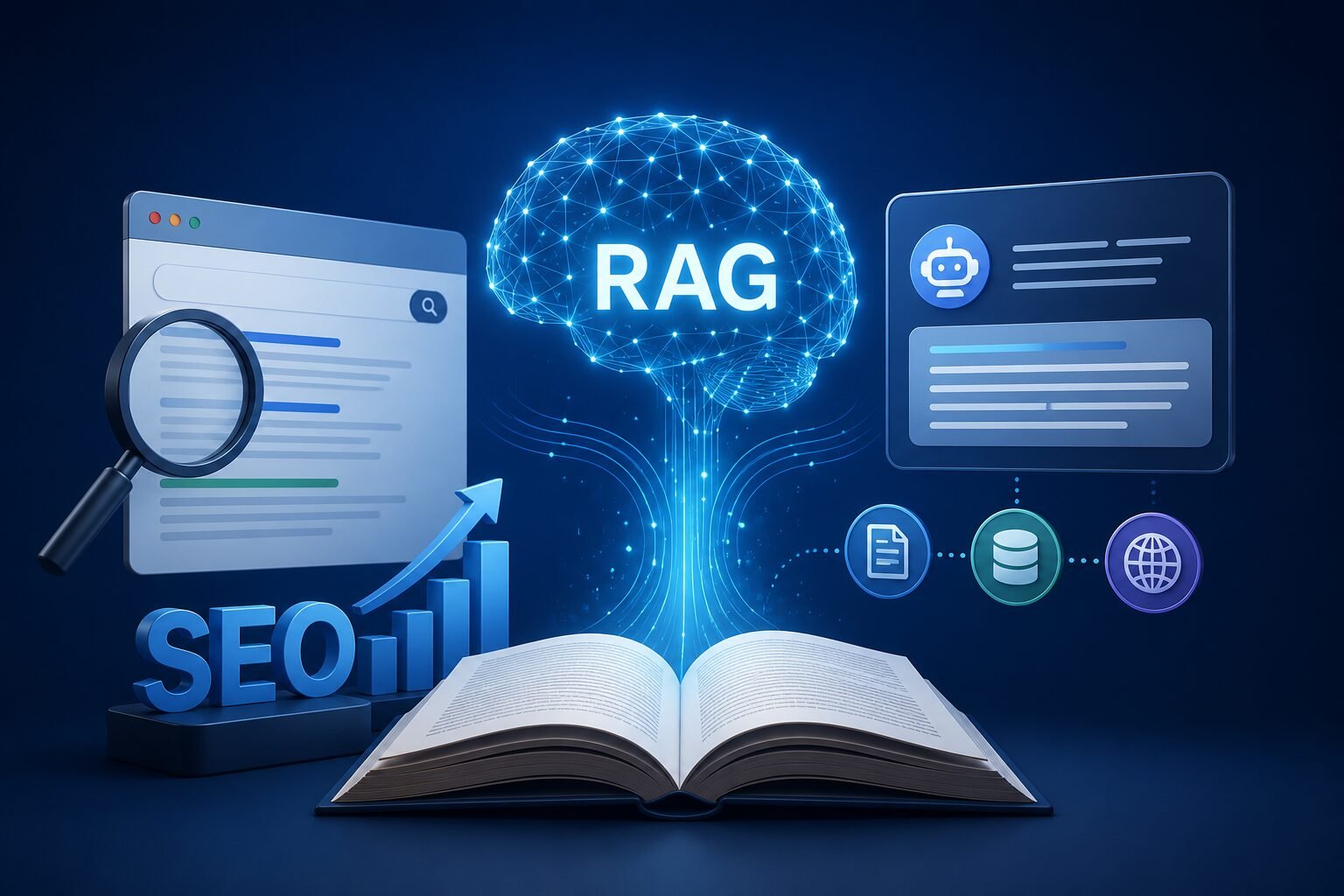
The AI Search Shift: How RAG Is Rewriting the Rules of SEO
By Mitali Purkait Ghosh on July 9, 2026
Search is rapidly evolving. We can confidently say we’re witnessing one of the biggest changes since Google first transformed how people find information online!
Today, users aren’t simply clicking through pages of blue links. They’re asking detailed questions and getting direct answers from AI-powered platforms like ChatGPT, Perplexity, and Google AI Overviews.
What’s driving this shift? A technology called Retrieval-Augmented Generation (RAG). Understanding how RAG works in large language models (LLMs) is becoming essential for both website owners and digital marketing companies in India.
What is RAG?
RAG is like an open-book exam. Traditional LLMs rely heavily on information they learned during training. RAG, on the other hand, can actively retrieve information from live sources before generating an answer. This makes responses more current, accurate, and trustworthy.
The process is surprisingly simple:
User Query → Retrieval → Generation
A user asks a question, the AI retrieves relevant information from web pages, and then generates a response using those sources. Due to this, high-quality website content plays a major role in determining what information AI systems use.
This is also why discussions about retrieval-augmented generation vs fine-tuning have become so common. While fine-tuning updates a model’s behavior through additional training, RAG enables it to access fresh information in real-time.
When comparing fine-tuning and RAG, businesses often prefer RAG because it delivers current information without retraining the entire model. Therefore, digital marketing services in Kolkata tend to focus on content creation based on it, too.
How RAG Changes the SEO Playbook
From “Top 10” Rankings to AI Citations

The best SEO services in Kolkata aren’t just aiming to reach position one. Now, the goal is to become the source that AI systems trust to cite in their answers.
When your content is used as an AI reference, your brand gains visibility even when users never click through traditional search results.
Write in Chunkable Structures
RAG systems don’t always read entire articles. They often break content into smaller sections or “chunks.”
To improve retrieval potential:
- Use clear H2 and H3 headings.
- Format headings as questions when possible
- Follow each heading with a direct, self-contained answer.
This structure makes it easier for AI engines to extract and cite your information.
Focus on Meaning, Not Keyword Stuffing
Modern AI search relies on semantic understanding. Instead of matching exact phrases, it understands user intent through vector embeddings. This means natural language matters more than repeating keywords. Write the way people speak and answer real questions.
The Ultimate RAG SEO Checklist
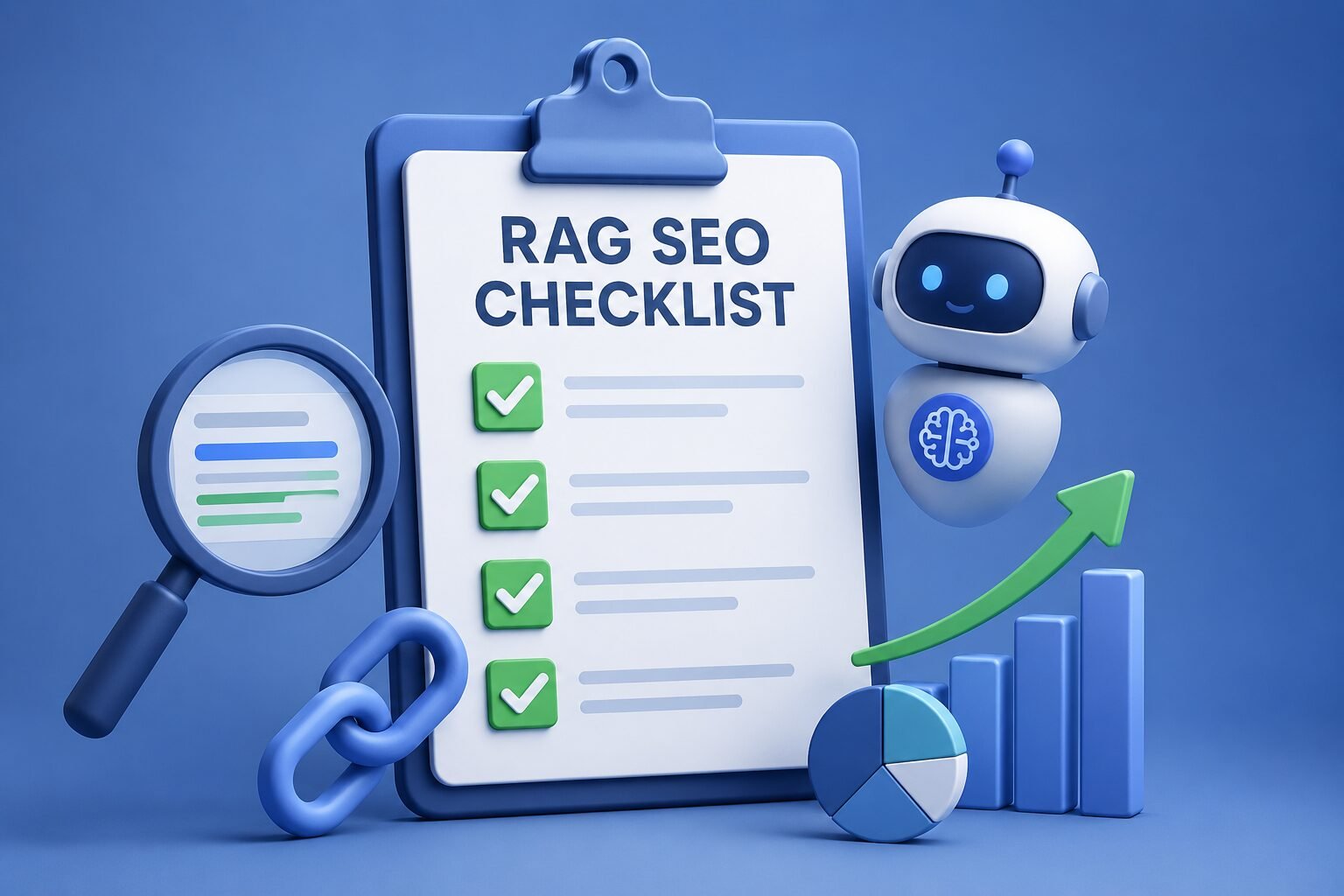
Want your content to perform well in AI search? Here’s what digital marketing agencies in India suggest:
- Publish original research, case studies, and unique statistics.
- Prioritize expertise and fact-based content.
- Keep information updated and verifiable.
- Implement Schema Markup wherever appropriate.
- Maintain fast-loading pages and clean site architecture.
- Create content around topics and intent, not just keywords.
- Structure articles so AI can easily extract answers.
For businesses seeking professional guidance, Digital Concepts is here to help!
As one of the best SEO companies in India, we offer customized solutions for SMEs and more. From digital marketing services to content creation, Shopify development to PPC, we provide complete digital solutions under one roof.
If you want a results-focused SEO outsourcing company in India, we combine affordable pricing and a commitment to quality that helps your business adapt to the rapidly changing search landscape.
The future belongs to content that serves both human readers and AI retrieval systems. The sooner you adapt, the stronger your visibility will be in the next generation of search.
FAQs
1. What is the difference between RAG and fine-tuning for LLMs?
RAG connects AI models to external, live data sources for accurate retrieval, whereas fine-tuning bakes specific knowledge or specific behaviors directly into the model’s permanent internal memory.
2. How does RAG work in large language models?
When you ask a question, RAG searches an external database for relevant facts, pulls that information, and feeds it to the LLM to generate an accurate, up-to-date answer.
3. How do I optimize my website content for AI search engines?
Focus on structured data, answer user questions directly, maintain high topical authority, and partner with experts like Digital Concepts to build an effective AI-ready SEO strategy.

Mitali Purkait Ghosh, the Co-Founder of Digital Concepts, brings a wealth of knowledge and innovation to the marketing sphere. Mitali and her dedicated team offer unparalleled expertise in digital marketing and content writing, among other key online strategies.
Popular Posts
 Top 12 Digital Advertising Platforms to Go for Boosting Brand Awareness in 2024
 - Selling Fragrances Online? Implement These Steps to Make Your Success Smell Irresistible
- 2026 Content Writing Trends: Stay Ahead With These Essential Insights
- How to Use Color Theory in Poster Design?
- The Most Sought-After Typography Trends in Web Design


